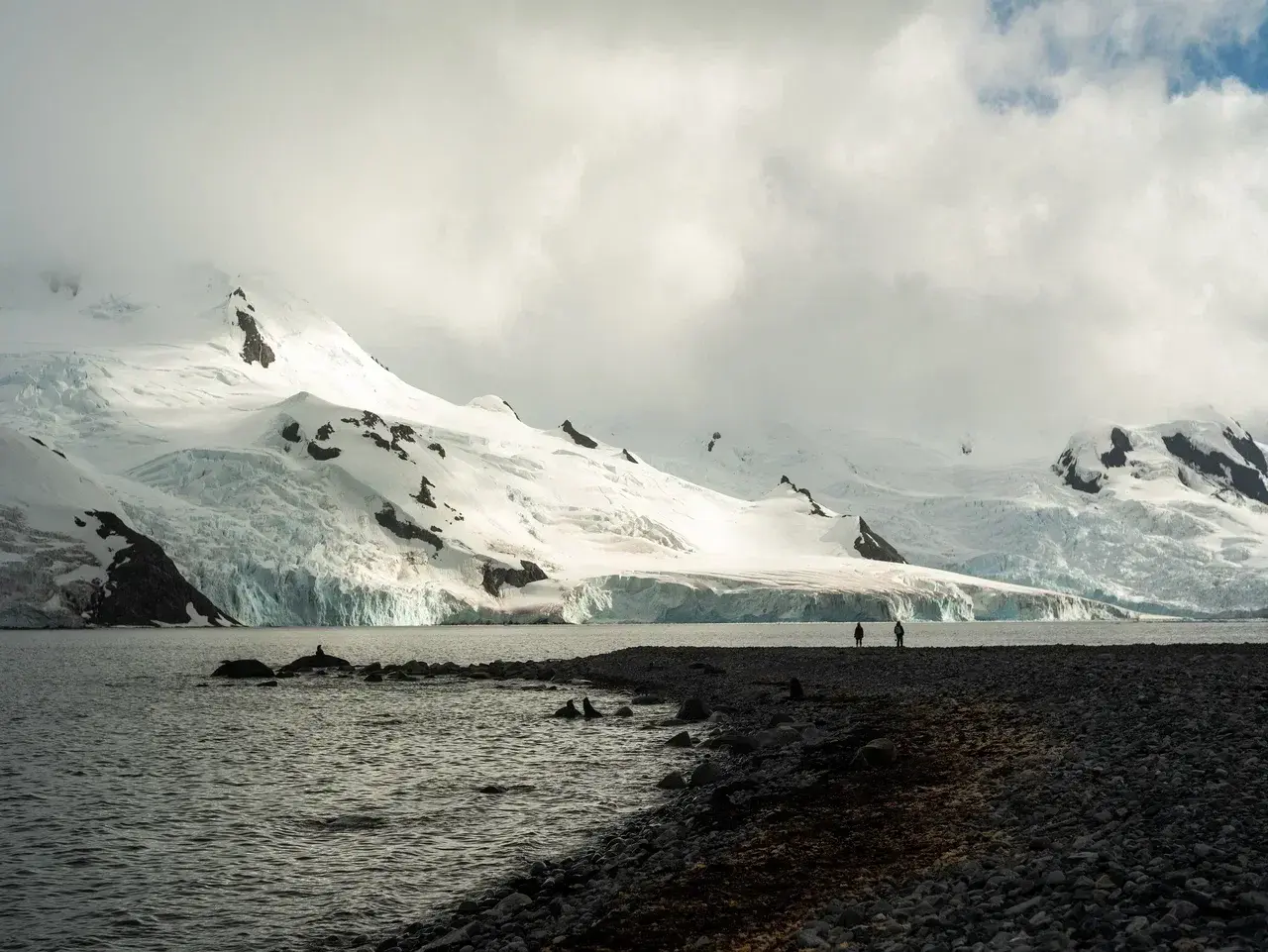
Trip to Antarctica: What to Expect From a Journey to the White Continent
A trip to Antarctica is very different from a conventional vacation. There are no cities to explore, no roads connecting attractions and no fixed itinerary that can be followed regardless of conditions.
Instead, weather, wind, sea ice and wildlife shape the journey.
Most travelers visit the Antarctic Peninsula and surrounding islands, reaching the region from southern Argentina or Chile. You can cross the Drake Passage by sea, fly to King George Island and continue aboard an expedition vessel, or combine sailing and flying.
For travelers who want a more intimate alternative to a large Antarctica cruise, MoreTime Expeditions offers small-group sailing journeys designed around the experience of actually being part of a polar expedition.
Where Does a Trip to Antarctica Begin?
Most trips to the Antarctic Peninsula start in either Ushuaia, Argentina, or Punta Arenas, Chile.
Ushuaia is the main gateway for travelers crossing the Drake Passage by sea. From here, sailing vessels head south toward the South Shetland Islands and Antarctic Peninsula.
Punta Arenas is used for Fly & Sail journeys. Travelers fly to King George Island, board their sailing vessel and begin exploring Antarctic waters from there.
Which route you choose depends largely on how much time you have and whether you want the Drake Passage to be part of your adventure.
Cross the Drake Passage Under Sail
For many travelers, crossing the Drake is one of the most memorable parts of an Antarctica trip.
A full sailing expedition begins in Ushuaia and crosses the Southern Ocean toward Antarctica. Depending on wind and sea conditions, the passage takes several days.
Once in Antarctic waters, the journey continues aboard the same sailing vessel, exploring primarily around the Antarctic Peninsula and surrounding islands.
At the end of the expedition, the yacht crosses the Drake Passage again to return to Ushuaia.
This option is ideal for travelers who see the ocean crossing not simply as transportation, but as part of the expedition itself.
Fly to Antarctica and Continue Under Sail
If you want to avoid spending several days crossing the Drake Passage, you can fly from Punta Arenas to King George Island.
After arriving in Antarctica, you board the sailing vessel and explore the region by sea.
The flight replaces the ocean crossing, not the sailing expedition. Travelers do not fly between Antarctic destinations.
MoreTime Expeditions Fly & Sail programs are therefore a good option for people who want to reach Antarctica faster while still experiencing the Antarctic Peninsula aboard a small expedition vessel.
Combine Sailing and Flying
There is also a third option: sail across the Drake Passage once and fly the other direction.
This allows you to experience the legendary Southern Ocean crossing without having to do it twice.
For travelers trying to balance adventure with limited vacation time, combining one flight with one sailing passage can be an attractive way to organize a trip to Antarctica.
Why Choose Sailing Instead of an Antarctica Cruise?
Most people researching an Antarctic trip will encounter hundreds of Antarctica cruise options. Large expedition ships are the most established form of Antarctic tourism, but sailing offers a very different experience.
The most obvious difference is the number of people.
A small sailing vessel creates a much more intimate expedition. You share the journey with a limited group and crew rather than hundreds of cruise passengers.
The size of the yacht can also provide greater flexibility to explore smaller bays, anchorages and remote areas that may be impractical for much larger vessels. Weather, ice and environmental restrictions always determine the actual route.
Sailing also keeps you close to the environment. You experience icebergs from near sea level, feel changes in the ocean and weather, and live aboard the vessel that carries you through Antarctic waters.
Instead of simply being a passenger on an Antarctica cruise, you become much more closely involved in the expedition itself.
What Will You See on an Antarctica Trip?
Most journeys in this region focus on the Antarctic Peninsula and South Shetland Islands.
The landscapes alone are extraordinary: glaciers descending toward the ocean, enormous icebergs, snow-covered mountains and remote bays surrounded by ice.
Wildlife encounters can include penguins, seals and whales, depending on the season and location.
Research stations and historic polar sites may also form part of the journey.
There is no guarantee that every planned destination will be accessible. Conditions change constantly in Antarctica, so the captain and expedition team adjust the route when necessary.
When Should You Take a Trip to Antarctica?
The main Antarctica travel season runs from November through March.
Early-season trips offer extensive snow and impressive ice landscapes. December and January bring very long daylight hours and active penguin colonies.
Later in the season, particularly February and March, whale encounters become increasingly important.
There is no universally best time for a trip to Antarctica. Your ideal dates depend on whether you are most interested in landscapes, penguins, whales, sailing conditions or a combination of experiences.
What About Staying in Antarctica?
A trip to Antarctica does not necessarily have to take place entirely aboard a vessel.
MoreTime Expeditions also offers an Antarctic Science Camp experience at Bellingshausen Station on King George Island.
Participants stay in the station environment, meet people connected with polar work, observe penguins and experience everyday life in Antarctica. Depending on conditions, the program may also include Zodiac outings.
There is no sailing during the camp itself, making it a very different experience from an Antarctica sailing expedition.
Add Patagonia to Your Antarctica Trip
If you are already traveling to the southern tip of South America, you can also consider extending your journey into Patagonia.
Patagonia can be added to selected MoreTime Expeditions programs before or after Antarctica.
This combination is particularly attractive for travelers arriving from Europe or North America who want to turn the long journey south into a larger adventure, combining Patagonia's mountains and wilderness with the ice, ocean and wildlife of Antarctica.
Planning Your Trip to Antarctica
The first step is deciding what kind of journey you want.
Choose a full sailing expedition if you want to cross the Drake Passage in both directions and make the Southern Ocean part of the adventure.
Choose Fly & Sail if you prefer to cross the Drake by air and dedicate your time in Antarctica to exploring aboard the sailing vessel.
Choose a combination of sailing and flying if you want to experience the Drake once while saving time on the other leg.
And consider the Antarctic Camp if staying in a polar station environment interests you more than continuously traveling by sea.
A trip to Antarctica can be much more than an Antarctica cruise. With a small group, a sailing vessel and a flexible expedition route, the journey becomes part of the experience rather than simply a way to reach the destination.
Contact MoreTime Expeditions to compare upcoming Antarctica trips, sailing and Fly & Sail programs, check available dates and cabins, and choose the expedition that fits the way you want to experience the polar world.