Cuverville Island: Home to One of Antarctica's Largest Gentoo Penguin Colonies
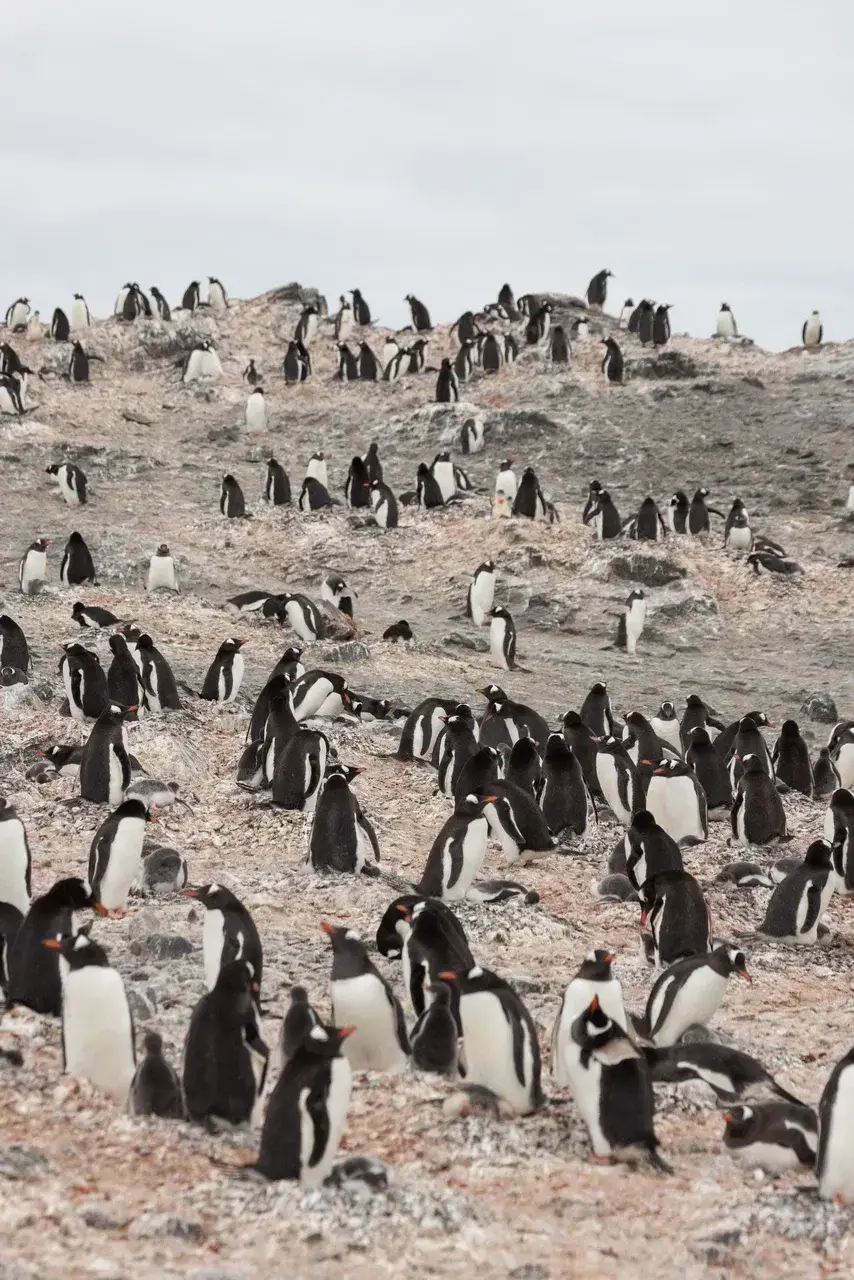
Few places in Antarctica offer wildlife encounters as unforgettable as Cuverville Island. Nestled between towering mountains and calm icy waters along the Antarctic Peninsula, this small rocky island is home to one of the largest Gentoo penguin colonies in Antarctica.
Thousands of penguins return here every summer to breed, raise their chicks, and fill the island with constant movement and sound. For many travelers, a landing at Cuverville Island becomes one of the highlights of an Antarctic expedition.
Whether you're exploring aboard a MoreTime Expeditions sailing yacht or discovering Antarctica through one of our small-group adventures, Cuverville Island offers an extraordinary opportunity to witness Antarctic wildlife at its very best.
Where Is Cuverville Island?
Cuverville Island lies in the Errera Channel, between the Antarctic Peninsula and Rongé Island.
Surrounded by steep snow-covered mountains and sheltered waters, the island provides ideal nesting conditions for Gentoo penguins while offering visitors spectacular panoramic views.
Because of its relatively protected location, Cuverville Island is a popular landing site for expedition vessels exploring the western Antarctic Peninsula.
Why Is Cuverville Island Famous?
Cuverville Island is best known for its enormous Gentoo penguin colony, which can include several thousand breeding pairs during the Antarctic summer.
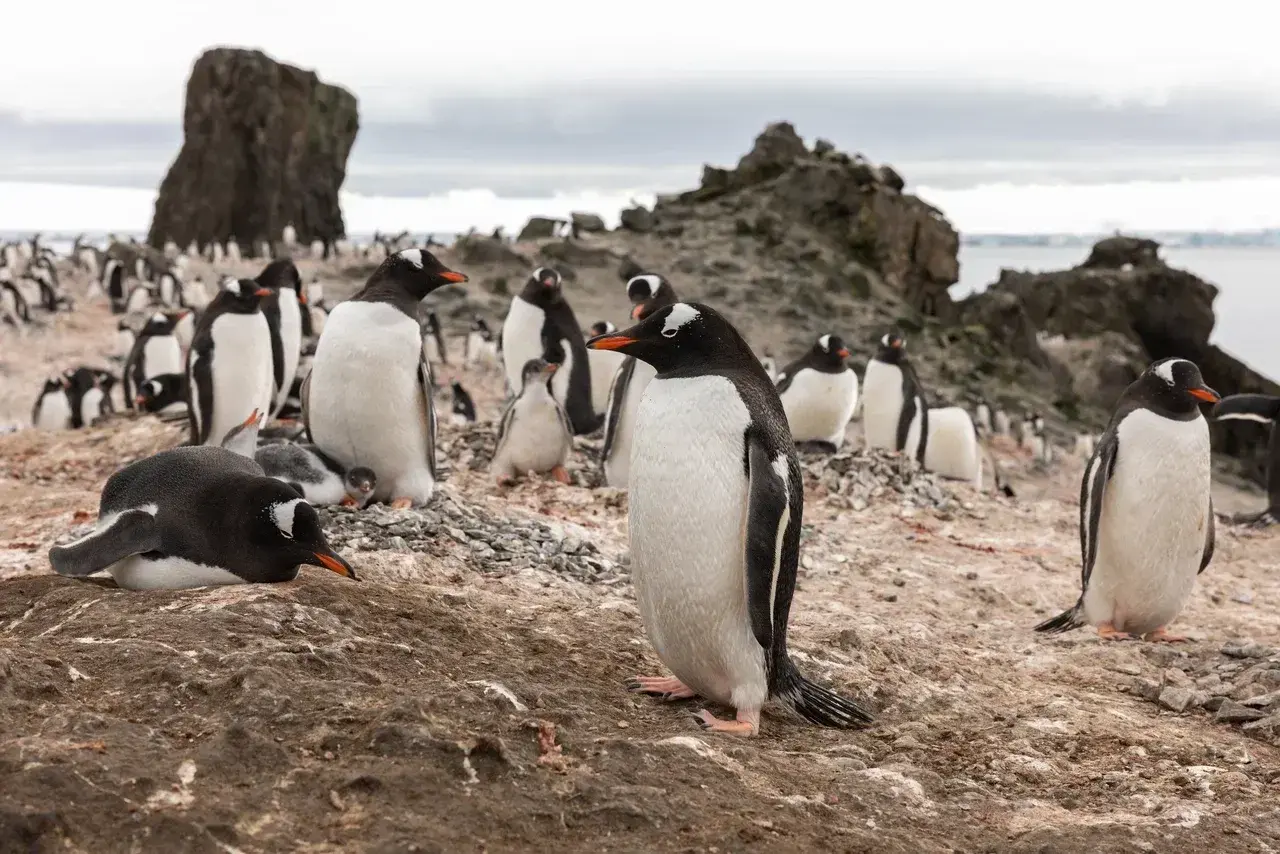
Every year, penguins return to nearly the same nesting areas, where they:
- Build nests from carefully collected stones.
- Lay and incubate eggs.
- Raise fluffy chicks.
- Defend their territories.
- Travel constantly between the colony and the sea.
Watching thousands of penguins carrying stones, feeding chicks, and crossing the island along well-established penguin highways is one of Antarctica's most memorable wildlife experiences.
Meet the Gentoo Penguins
Gentoo penguins are among Antarctica's most charismatic birds.
They are easily recognized by:
- Bright orange beaks
- White stripe across the top of the head
- White patches above the eyes
- Orange feet
- Long tail that extends behind them while walking
Unlike some other penguin species, Gentoo penguins are often remarkably curious.
Although visitors must always maintain a respectful distance, penguins occasionally approach people on their own while continuing their daily activities.
What Can You See During the Breeding Season?
Each stage of the Antarctic summer offers something different.
November
Adult penguins arrive at the colony and begin building nests.
One of the most entertaining behaviors is watching penguins search for the perfect stones—sometimes even stealing them from neighboring nests.
December
Most nests contain eggs.
Parents carefully take turns incubating them while the other travels to sea in search of food.
January
Chicks begin hatching.
The colony becomes louder than ever as hungry chicks call constantly for returning parents.
Visitors may observe adults feeding chicks by regurgitating partially digested krill and fish.
February
The chicks grow rapidly and begin gathering into groups known as crèches, where they socialize while waiting for adults to return from feeding trips.
By late summer, many young penguins are preparing for life at sea.
More Than Penguins
Although Gentoo penguins are undoubtedly the main attraction, Cuverville Island offers much more.
Visitors may also encounter:
- Weddell seals resting near the shoreline
- Crabeater seals on floating ice
- Antarctic shags nesting on rocky cliffs
- Skuas patrolling above penguin colonies
- Giant petrels soaring overhead
- Humpback whales feeding in nearby waters
The surrounding landscape is equally spectacular, with towering glaciers, drifting icebergs, and dramatic mountain peaks reflected in calm Antarctic bays.
A Paradise for Wildlife Photography
Cuverville Island is considered one of the best wildlife photography destinations on the Antarctic Peninsula.
Photographers can capture:
- Thousands of Gentoo penguins in a single frame.
- Adults carrying stones to their nests.
- Chicks interacting with parents.
- Penguins porpoising through crystal-clear water.
- Stunning glacier backdrops.
- Icebergs floating through the Errera Channel.
Because the island combines wildlife with dramatic scenery, it offers opportunities for both close-up wildlife portraits and sweeping landscape photography.
Responsible Penguin Watching
The penguins of Cuverville Island are wild animals living in a fragile ecosystem.
MoreTime Expeditions follows IAATO guidelines to ensure wildlife remains undisturbed.
Visitors should always:
- Keep a respectful distance.
- Never touch or feed penguins.
- Stay clear of penguin highways.
- Allow penguins to pass freely.
- Move slowly and quietly.
- Follow instructions from expedition guides.
Sometimes the most memorable moments happen simply by standing still and allowing nature to unfold around you.
Arriving by Small Expedition Yacht
One of the advantages of visiting Cuverville Island aboard a small sailing yacht is the intimate experience it provides.
Instead of arriving with hundreds of passengers, small expedition groups enjoy:
- Quieter landings.
- More personal wildlife encounters.
- More time ashore.
- Greater flexibility when conditions allow.
- Better opportunities for photography.
- Easier access to remote landing sites.
This slower pace allows travelers to fully appreciate both the wildlife and the breathtaking Antarctic scenery.
Weather and Landing Conditions
Like every destination in Antarctica, Cuverville Island depends entirely on weather and sea conditions.
Wind, sea ice, snowfall, and swell can all affect whether a landing is possible.
For this reason, every Antarctic expedition remains flexible.
Experienced expedition leaders continuously adjust the itinerary to provide the best possible experience while prioritizing safety and environmental protection.
Best Time to Visit Cuverville Island
The Antarctic summer, from November through March, is the ideal time to explore the island.
Each month offers unique wildlife experiences:
- November: Courtship, nest building, pristine snowy landscapes.
- December: Egg incubation and active breeding colonies.
- January: Newly hatched chicks and busy family life.
- February: Larger chicks, whale sightings, and dramatic wildlife activity.
- March: Fewer visitors, quieter colonies, and beautiful late-season scenery.
No matter when you visit, Cuverville Island offers an unforgettable glimpse into the lives of Antarctica's most iconic birds.
Experience Cuverville Island with MoreTime Expeditions
Cuverville Island is much more than a penguin colony.
It is one of the best places on Earth to experience Antarctica's wildlife exactly as it has existed for thousands of years.
Standing quietly among thousands of Gentoo penguins, surrounded by glaciers, mountains, and floating icebergs, is an experience that photographs can never fully capture.
With MoreTime Expeditions, you'll explore Cuverville Island in a small group, guided by experienced expedition leaders who help you discover not only Antarctica's incredible wildlife but also the fragile ecosystem that makes this remarkable place so unique.