Antarctica Research Stations: Discover Life at the End of the World
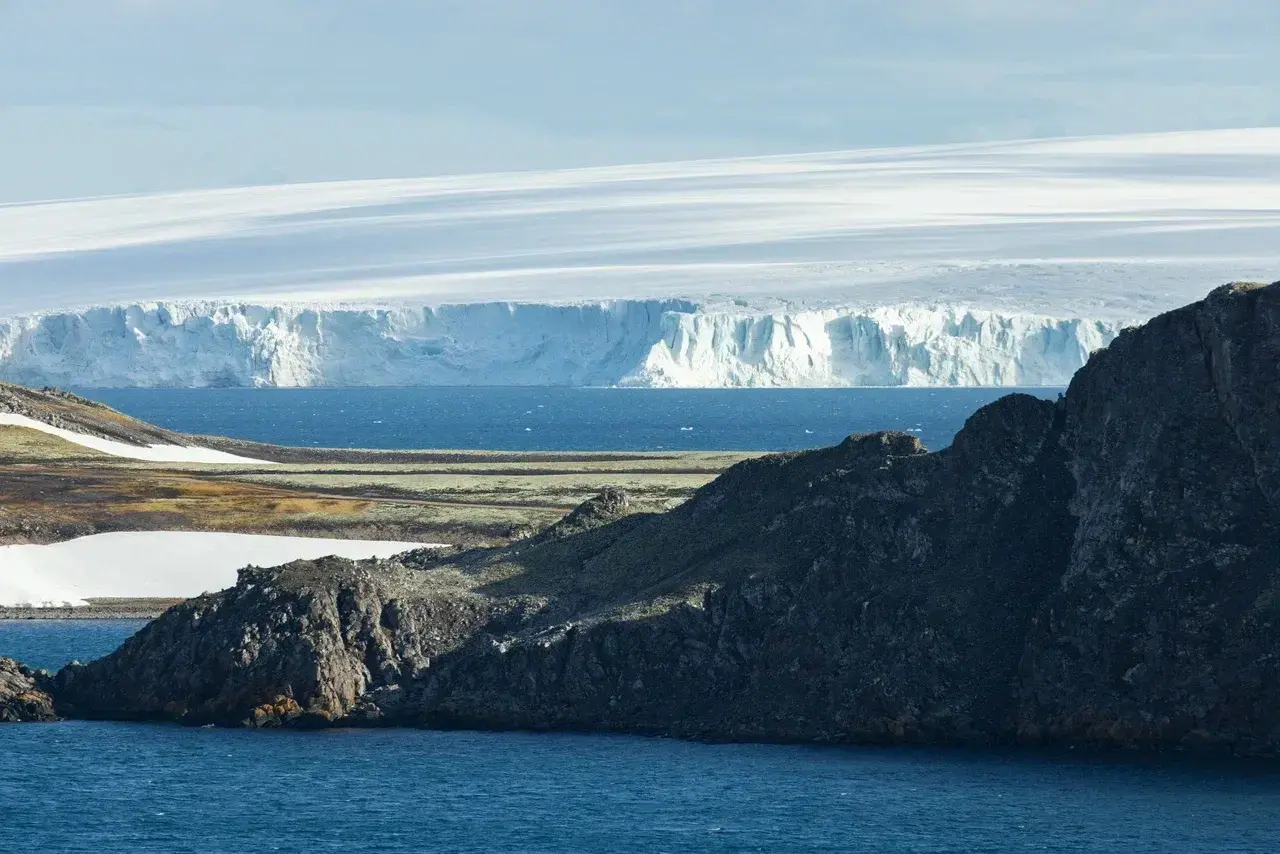
When people think about Antarctica, they usually imagine giant icebergs, penguin colonies, and endless snowy landscapes. Few realize that the continent is also home to dozens of research stations operated by countries from all over the world.
Despite having no permanent population, Antarctica is one of the most international places on Earth. Scientists, engineers, doctors, meteorologists, and support teams spend months living and working here, conducting research that helps us understand climate change, marine ecosystems, astronomy, and the future of our planet.
For travelers, these stations offer a fascinating glimpse into what life is really like at the end of the world.
How Many Research Stations Are There in Antarctica?
Today, there are more than seventy research stations scattered across Antarctica, although not all of them operate year-round. Some are occupied only during the austral summer, while others remain active throughout the entire year.
Several countries maintain major scientific bases on the continent.
The United States operates some of the largest stations, including the famous South Pole Station located directly at the geographic South Pole.
Argentina and Chile have numerous stations across the Antarctic Peninsula and South Shetland Islands because of their geographical proximity to Antarctica.
The United Kingdom, Australia, New Zealand, France, Germany, China, India, South Korea, Japan, Russia, Poland, Uruguay, and several other countries also maintain scientific facilities here.
Some stations resemble small villages, complete with laboratories, workshops, medical facilities, power plants, and accommodation buildings. Others are tiny seasonal camps occupied by only a handful of researchers.
Together, these stations create an extraordinary international scientific community in one of the harshest environments on Earth.
What Is Life Like at an Antarctic Research Station?
Living in Antarctica is unlike life anywhere else.
Everything must be carefully planned. Supplies arrive only a few times each year, weather conditions can change rapidly, and even simple tasks require preparation.
Researchers may spend months without seeing a tree, a road, or a city.
Yet many people who have lived in Antarctica describe it as one of the most rewarding experiences of their lives.
The landscape itself becomes part of everyday life. Icebergs drift past the shore, whales occasionally appear offshore, and penguins can often be seen near the stations. During summer, the sun barely sets, while winter brings months of darkness and isolation.
The long polar days and complete silence of the Antarctic wilderness create an atmosphere unlike anywhere else on Earth.
Can You Visit an Antarctic Research Station?
For most travelers, visiting an Antarctic research station is extremely difficult.
Many stations are closed to visitors, some can only be reached by special permission, and others are simply too remote to access. Even people who have traveled to Antarctica often never have the opportunity to spend meaningful time at one of these scientific outposts.
But there is an exception.
At MoreTime Expeditions, we offer a truly unique opportunity to spend an entire week near the Russian Bellingshausen Station on King George Island.
Our Antarctic Camp allows guests to experience life on the White Continent in a way that very few people ever do. You'll live alongside real polar explorers, learn about daily life at an Antarctic station, and experience what it feels like to wake up surrounded by glaciers, mountains, and endless snowfields.
During your stay, you'll explore the surrounding peninsula, observe wildlife, and spend your days in a real camp designed for people who work and travel in Antarctica.
This isn't simply a visit to Antarctica.
It's an opportunity to experience Antarctica from the inside.
Live Like a Polar Explorer
At the Antarctic Camp, you wake up surrounded by glaciers, mountains, and complete silence.
Days are spent hiking across snow and ice, photographing wildlife, watching penguins and seabirds, and simply experiencing one of the most remote places on Earth.
Without the constant movement of a ship and without crowds of tourists, you can slow down and fully immerse yourself in the atmosphere of the White Continent.
Sleeping on Antarctica itself is something very few people on Earth will ever experience.
Living beside a real research station makes the experience even more extraordinary.
Visiting Research Stations During a Sailing Expedition
Our sailing expeditions offer another unique opportunity.
When weather conditions, logistics, and station operations allow, we occasionally have the chance to visit other Antarctic research stations during our voyages.
Stepping ashore at a scientific base, meeting researchers and station staff, and hearing stories about life at the end of the world often becomes one of the highlights of the expedition.
No two seasons are exactly the same, and these unexpected encounters make every Antarctic journey unique.
Join Us in Antarctica
Antarctic research stations are places that few people ever get to see, and even fewer have the chance to truly experience.
Whether you dream of spending a week at our Antarctic Camp beside Bellingshausen Station, sailing among glaciers and penguin colonies, or visiting remote scientific bases during an expedition, MoreTime Expeditions can make it happen.
Join us in Antarctica and discover the White Continent not simply as a tourist, but as an explorer.