Iceland vs Greenland: Which Arctic Destination Should You Choose?
When people start planning an Arctic adventure, they often end up asking the same question: Iceland or Greenland? Both islands offer dramatic landscapes, incredible wildlife, and unforgettable experiences. But despite their proximity on the map, they couldn't feel more different.
The good news is that you don't actually have to choose. One of the greatest adventures in the North Atlantic is a transatlantic sailing expedition that allows you to visit Iceland, Greenland, and other remote destinations in a single journey.
Iceland: Fire, Water, and Endless Contrasts
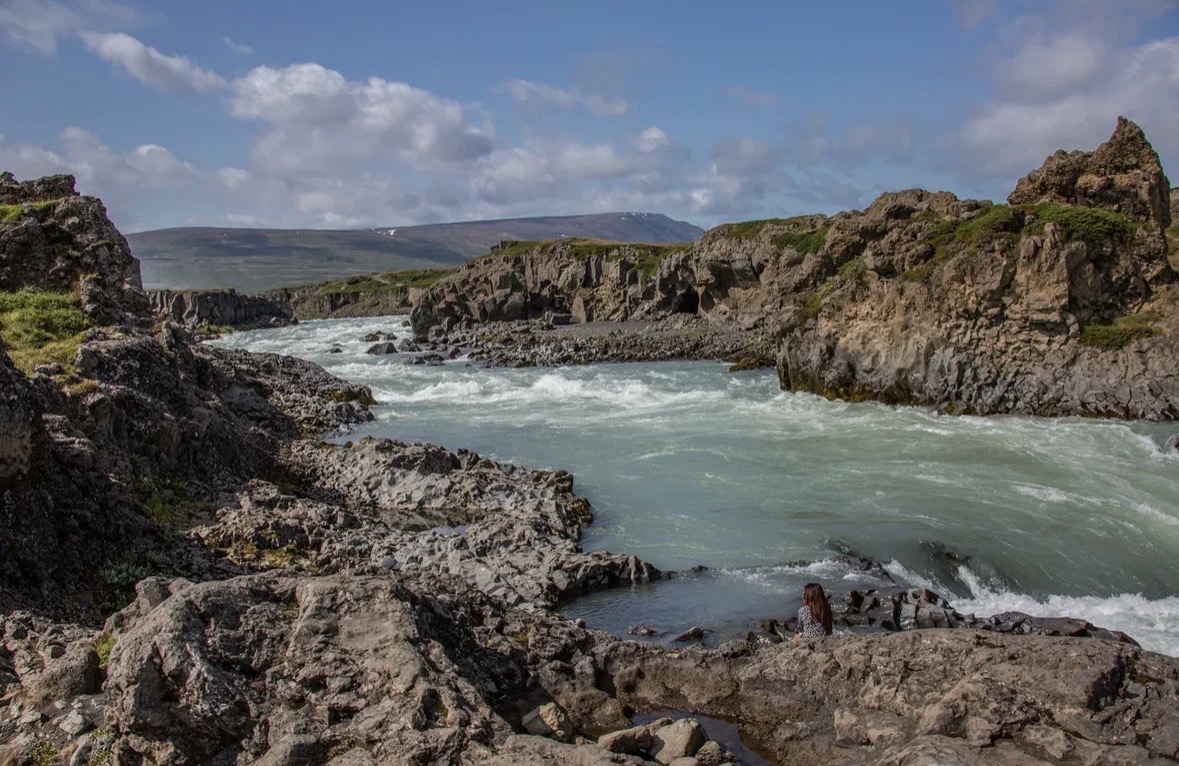
Iceland is often called the land of fire and ice, and for good reason. Active volcanoes, black sand beaches, steaming geothermal fields, and enormous waterfalls create one of the most diverse landscapes on Earth.
Summer transforms Iceland into a surprisingly green country. Moss-covered lava fields stretch to the horizon, valleys bloom with Arctic wildflowers and purple lupines, and small birch forests appear in sheltered areas.
The wildlife is equally impressive. Puffins nest on dramatic sea cliffs, Arctic foxes roam the highlands, and the surrounding waters are home to humpback whales, minke whales, orcas, and even blue whales. Iceland offers incredible opportunities for hiking, whale watching, and exploring some of Europe's most spectacular natural scenery.
Greenland: One of the Last Great Wildernesses
Greenland feels like stepping into another world.
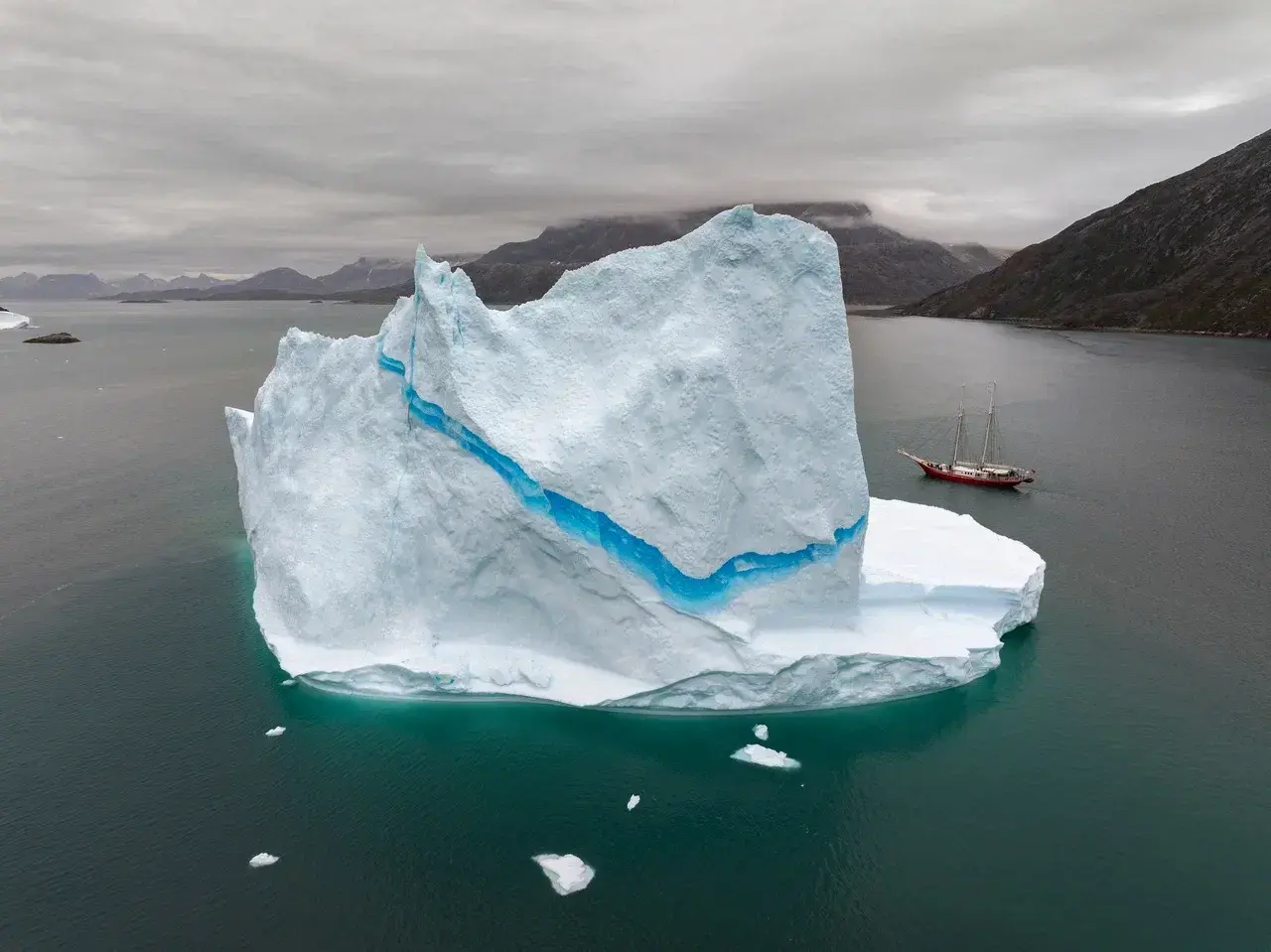
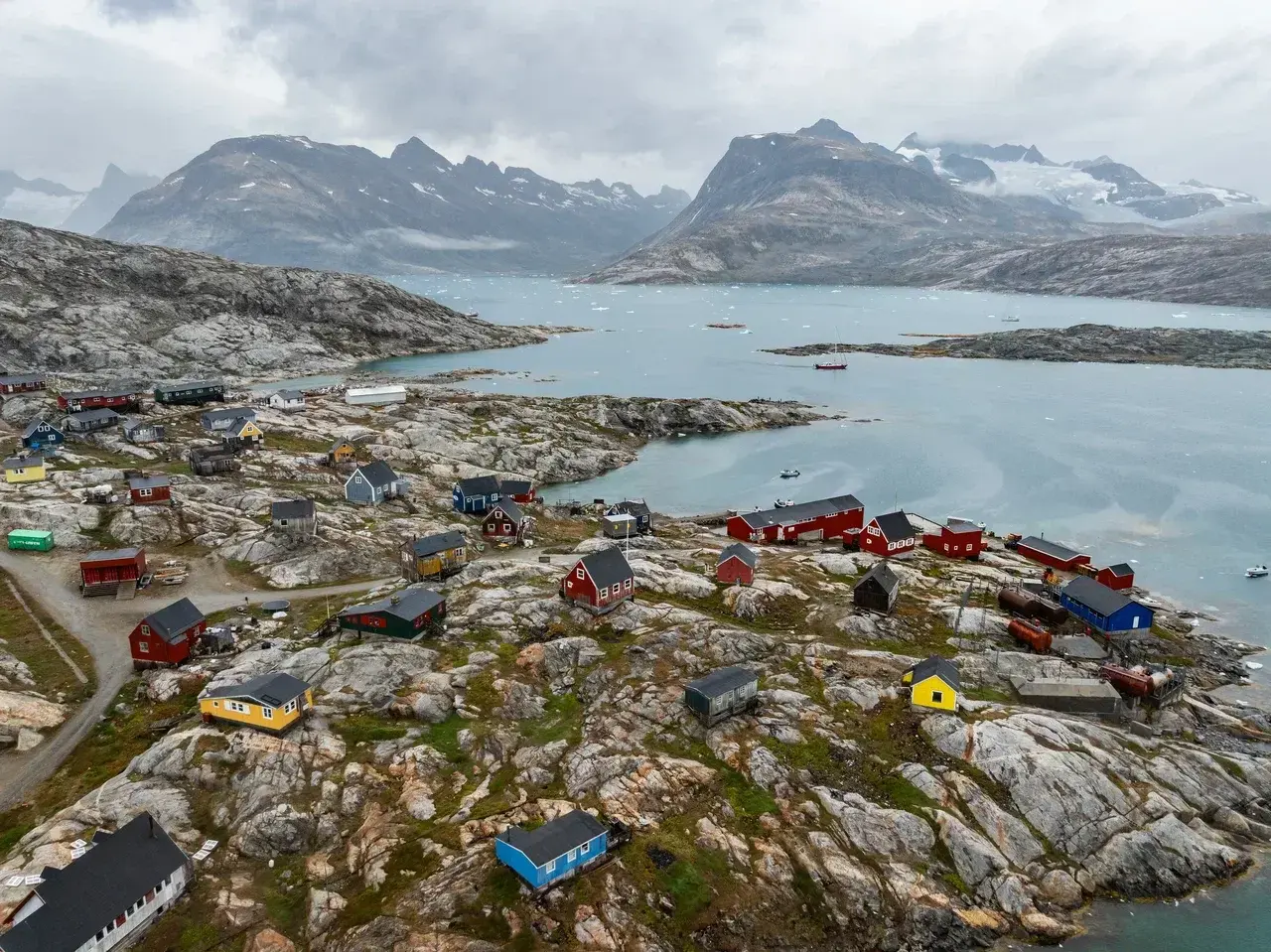
More than eighty percent of the island is covered by the Greenland Ice Sheet, the second-largest body of ice on Earth. Gigantic glaciers slowly flow into deep fjords, creating towering icebergs that drift along the coastline. Sharp mountain peaks rise directly from the sea, and vast valleys remain almost completely untouched by humans.
Despite its icy reputation, Greenland becomes surprisingly colorful during summer. The tundra is covered with mosses, lichens, dwarf birch, Arctic willow, cotton grass, and delicate flowers that bloom under the midnight sun. Wild berries grow across the landscape, and entire valleys turn shades of green, red, and gold.
Greenland is also rich in natural resources. Scientists believe the island contains significant deposits of rare earth minerals, iron ore, zinc, uranium, and other valuable resources. Combined with its strategic location between Europe and North America and the changing Arctic shipping routes, these resources have made Greenland increasingly important on the global stage.
But for travelers, Greenland's true treasure is its wildlife.
The waters surrounding the island are among the best places in the world to observe whales. Humpback whales feed in the fjords every summer, while fin whales, minke whales, and occasionally blue whales migrate along the coast. It's not unusual to wake up and find whales surfacing beside your yacht.
On land, musk oxen graze on the tundra, reindeer wander through remote valleys, and Arctic foxes hunt among the rocks. Countless seabirds nest on cliffs and islands, including puffins, guillemots, and Arctic terns. In the far north and east, polar bears still roam the sea ice, symbolizing the untamed nature of the Arctic.
Every day in Greenland feels unpredictable. One morning you may sail among giant icebergs, and by evening you might be watching whales beneath a glowing midnight sky.
Why Choose Between Iceland and Greenland?
For many travelers, the answer is simple: visit both.
A transatlantic sailing expedition allows you to experience not only Iceland and Greenland but also other remarkable destinations of the North Atlantic.
Depending on the route, your journey may include:
- the dramatic coastlines of Europe;
- Iceland's volcanoes and waterfalls;
- Greenland's fjords and Inuit settlements;
- the Canadian Arctic;
- Newfoundland and the eastern shores of North America.
Instead of flying from one destination to another, you slowly witness the transformation of entire regions. The landscapes change, the wildlife changes, and even the rhythm of life changes as you sail across the ocean.
The crossing itself becomes part of the adventure. Days under sail, endless horizons, seabirds following the yacht, dolphins playing in the bow wave, and the possibility of encountering whales in the open ocean create memories that few other forms of travel can offer.
Discover the Arctic Under Sail
Large cruise ships can show you Iceland and Greenland, but sailing offers a completely different experience.
Small expedition yachts and traditional schooners can enter narrow fjords, anchor beside glaciers, and visit remote settlements that large ships cannot reach. The pace is slower and more flexible. If whales appear, you can spend more time observing them. If a particular fjord captures everyone's imagination, you can stay longer.
Small groups quickly become a team. Instead of traveling with hundreds or thousands of tourists, you share the experience with a handful of like-minded adventurers and experience the Arctic in a much more personal way.
Iceland vs Greenland: The Answer
If you want volcanoes, waterfalls, and easy independent travel, Iceland is an incredible destination.
If you dream about giant glaciers, untouched wilderness, and some of the world's most spectacular fjords, Greenland is hard to beat.
But perhaps the real answer to the Iceland vs Greenland question is that the North Atlantic is best experienced as one connected adventure.
At MoreTime Expeditions, we organize every step of your Arctic adventure. Whether you want to sail to Iceland, explore Greenland's remote fjords, or embark on a full transatlantic expedition connecting several extraordinary destinations, our team will help you plan and experience the journey from start to finish. All you need to do is come aboard and discover the North Atlantic under sail