
Antarctica Tourist Attractions: 15 Incredible Places You Should Visit
Antarctica isn't just one destination. It's an entire world of glaciers, mountains, volcanoes, penguin colonies, and remote bays that few people ever get the chance to see.
Every expedition is different because ice and weather constantly change, but some places have become legendary among polar travelers. These are the locations that make Antarctica one of the most extraordinary destinations on Earth.
1. Lemaire Channel
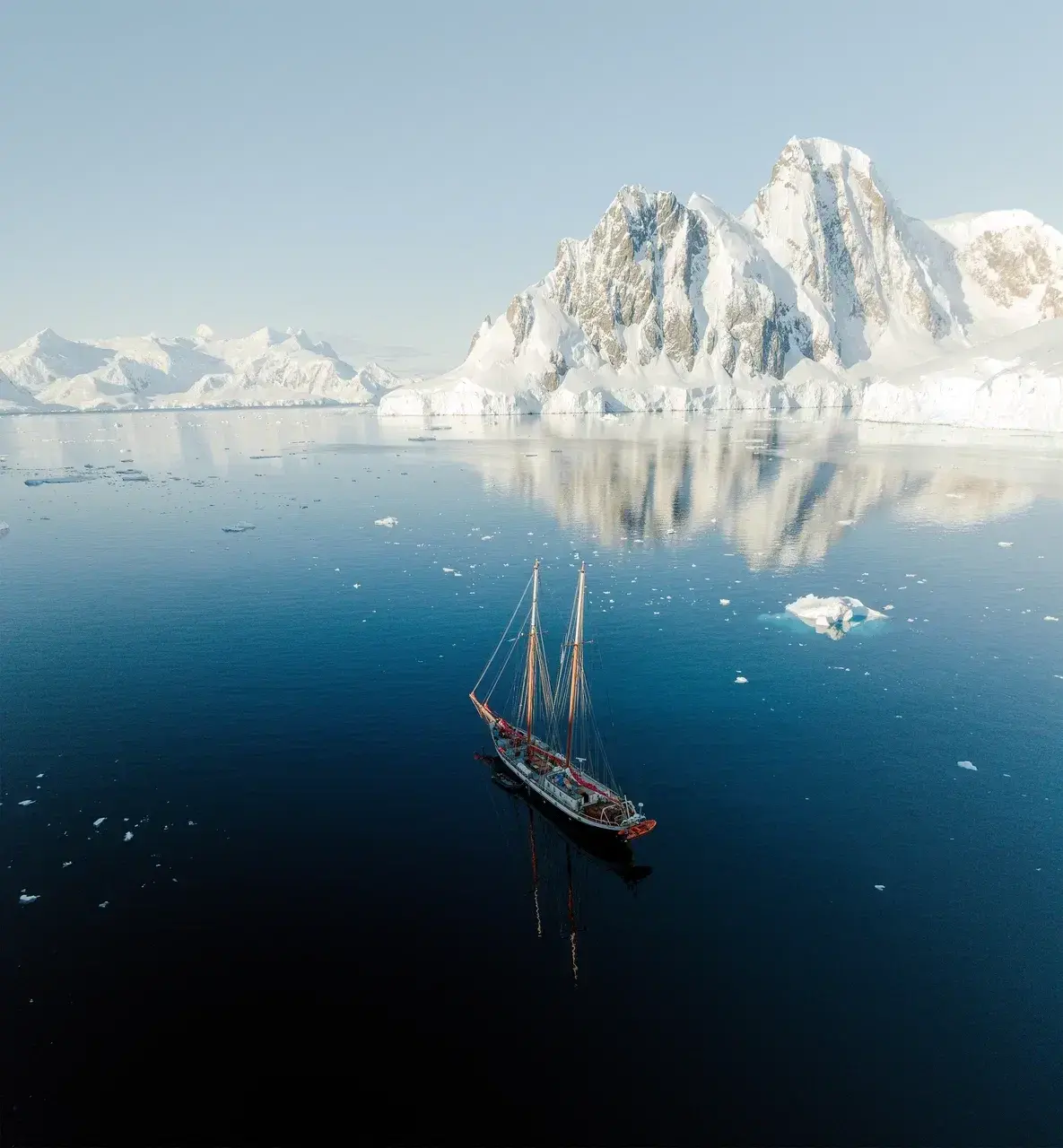
Often called the Kodak Gap, the Lemaire Channel is one of Antarctica's most photogenic locations. Towering mountains rise directly from the sea while giant icebergs drift silently through the narrow passage.
Sailing through the channel feels like entering another world.
2. Paradise Bay
Paradise Bay is famous for its calm waters and spectacular reflections of glaciers and mountains.
This is one of the best places to observe humpback whales and seals and an unforgettable location for kayaking or paddleboarding among icebergs.
3. Deception Island
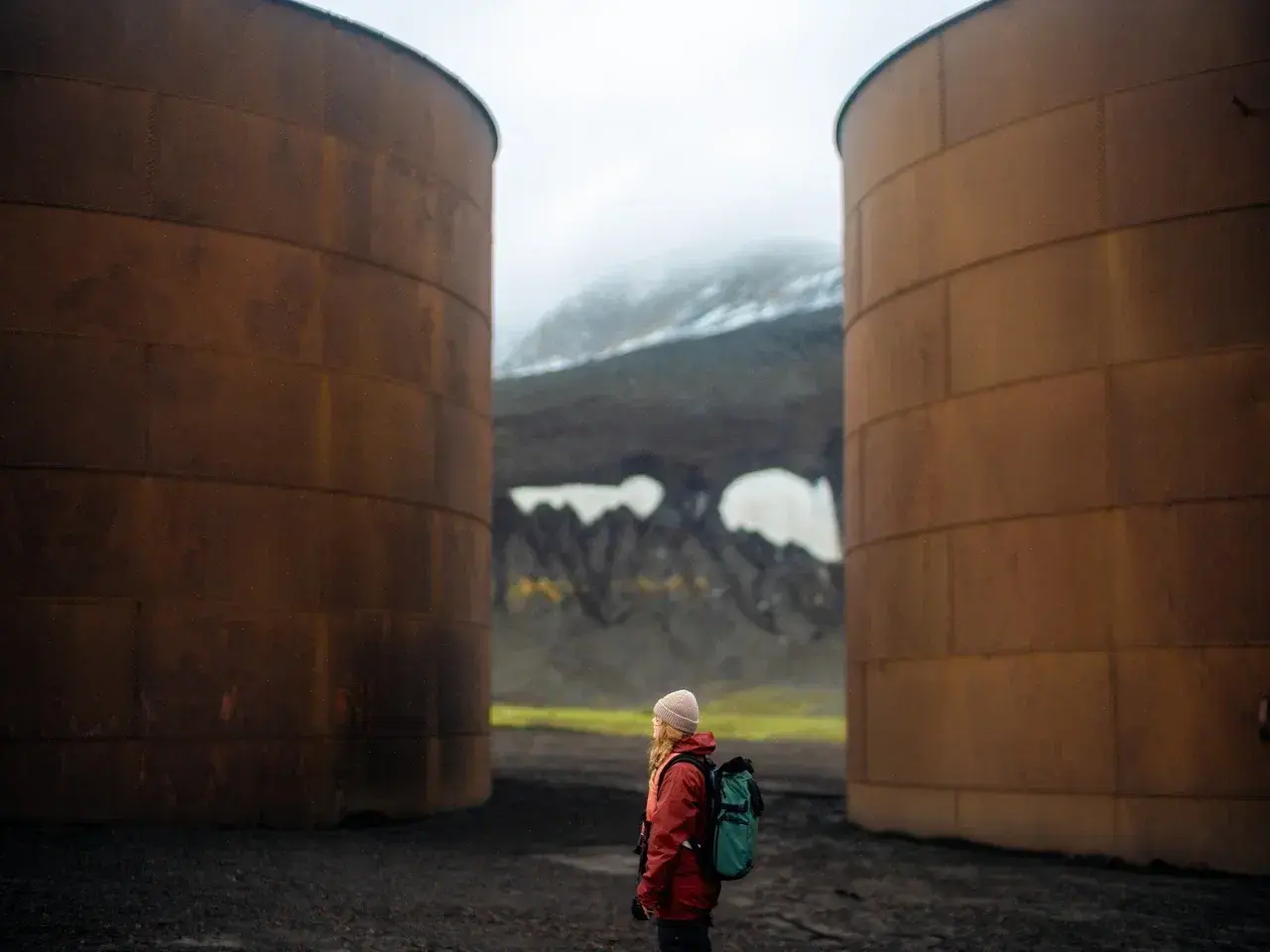
Few places in Antarctica are as unusual as Deception Island.
This active volcanic caldera allows ships to sail directly into the center of the island. Black sand beaches, steaming geothermal areas, and the remains of old whaling stations create an almost surreal landscape.
One of the island's most recognizable landmarks is its collection of enormous rusted fuel storage tanks. These industrial structures date back to the early 20th century, when Deception Island was one of Antarctica's busiest whaling stations. At the time, whale oil was a highly valuable commodity used for lighting, soap, cosmetics, and industrial lubricants. The oil extracted from whales was stored in these massive tanks before being loaded onto ships and transported around the world. Today, the abandoned tanks remain as a powerful reminder of Antarctica's whaling history and stand in striking contrast to the island's protected wildlife and untouched volcanic landscapes.
One of the island's most recognizable landmarks is its collection of enormous rusted fuel storage tanks. These industrial structures date back to the early 20th century, when Deception Island was one of Antarctica's busiest whaling stations. At the time, whale oil was a highly valuable commodity used for lighting, soap, cosmetics, and industrial lubricants. The oil extracted from whales was stored in these massive tanks before being loaded onto ships and transported around the world. Today, the abandoned tanks remain as a powerful reminder of Antarctica's whaling history and stand in striking contrast to the island's protected wildlife and untouched volcanic landscapes.
4. Cuverville Island
Home to one of the largest Gentoo penguin colonies on the Antarctic Peninsula, Cuverville Island is often filled with thousands of noisy, curious penguins.
It's one of the best places to experience Antarctic wildlife up close.
5. Neko Harbour
Neko Harbour offers one of the few opportunities to set foot directly on the Antarctic continent itself.
Towering glaciers surround the bay, and massive chunks of ice regularly calve into the sea, creating one of Antarctica's most dramatic spectacles.
6. Port Lockroy
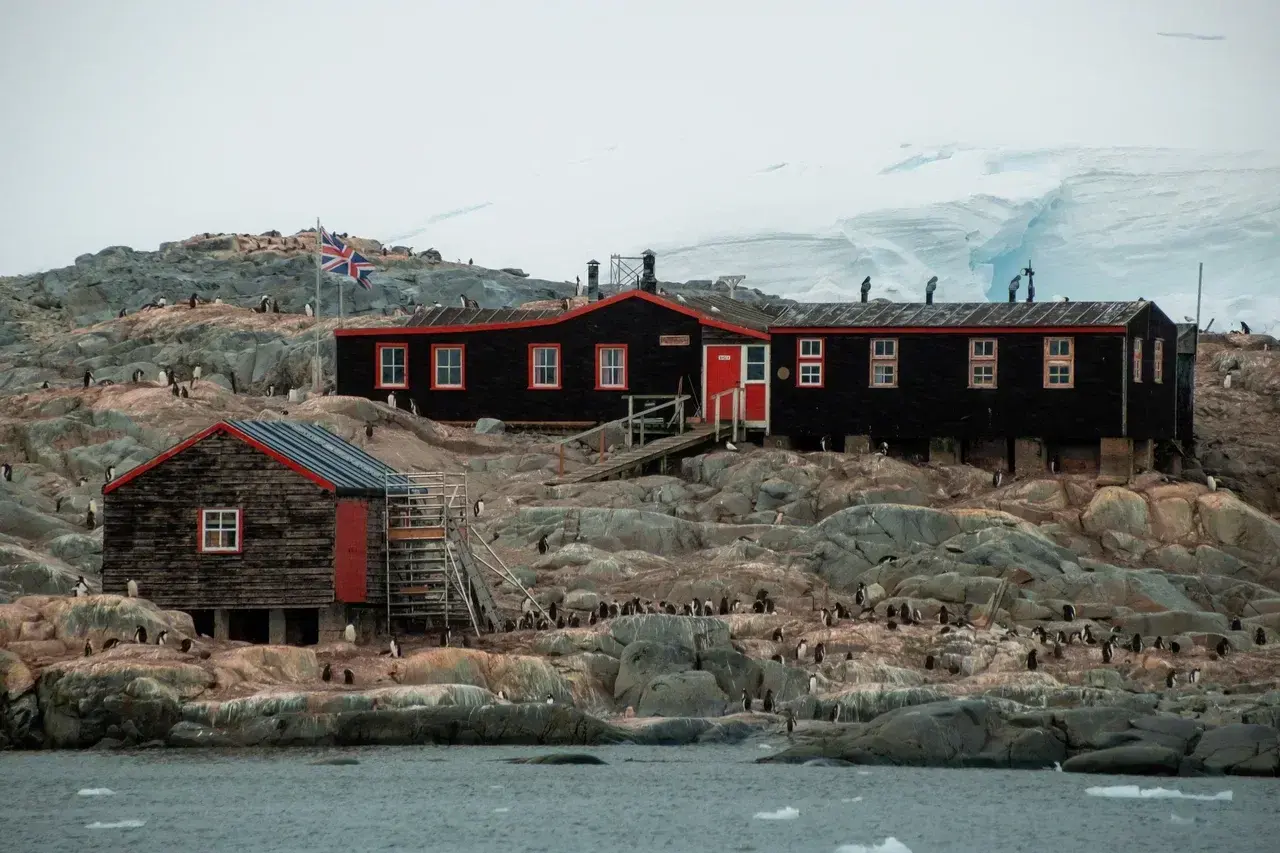
This historic British station is one of Antarctica's most famous landmarks.
Port Lockroy is one of Antarctica's most famous historic sites. Established by the United Kingdom during World War II as part of Operation Tabarin, it later became a scientific research station before being transformed into a museum and one of the world's most remote post offices. Today, visitors can explore the restored buildings, learn about the daily lives of early Antarctic explorers, buy souvenirs, and even send postcards stamped from Antarctica. The station is also home to a large colony of Gentoo penguins, which freely wander between the historic buildings, making Port Lockroy a unique combination of polar history and incredible wildlife.
7. Wilhelmina Bay
Known as Whale-mina Bay, this location is one of the best places in Antarctica to observe humpback whales feeding.
During late summer, it is not uncommon to see several whales at the same time.
8. The Drake Passage
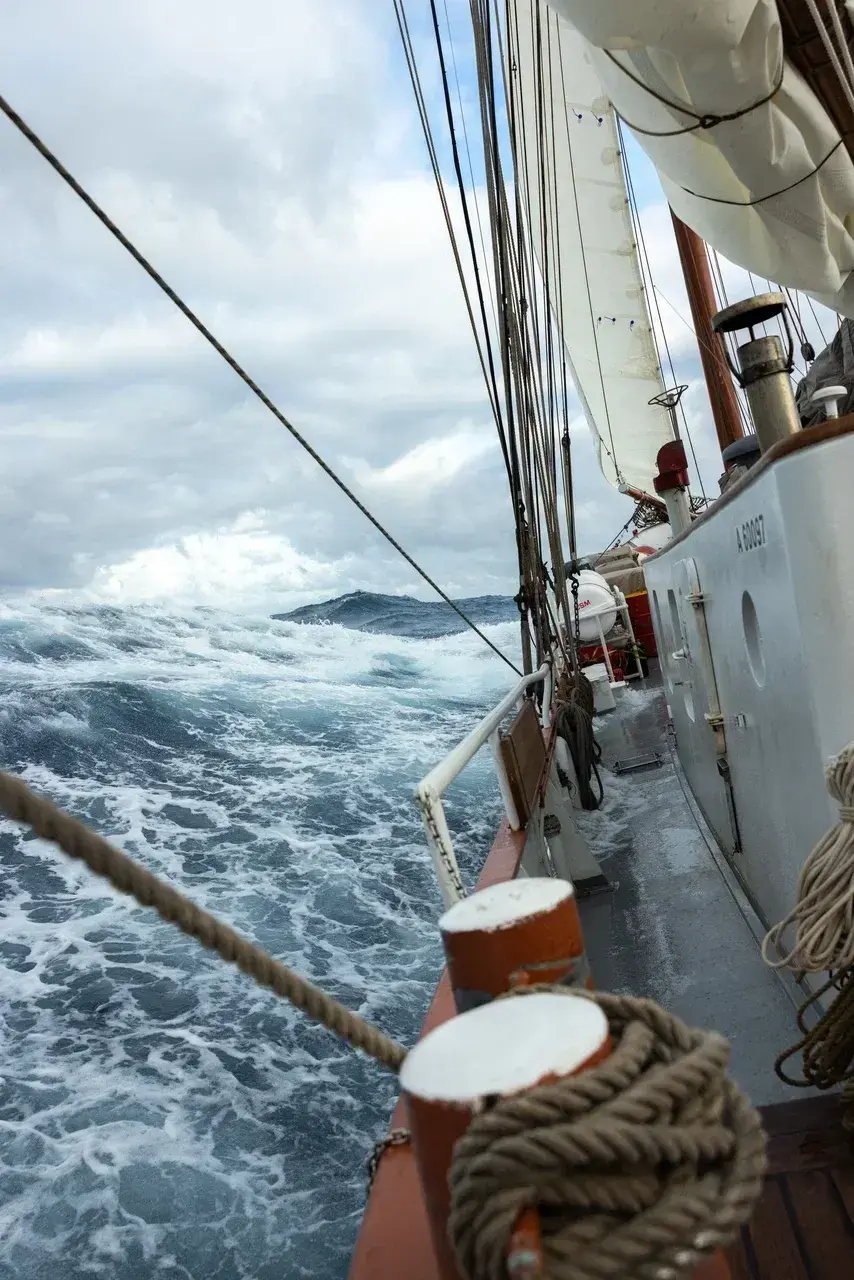
For sailors and adventurers, the legendary Drake Passage is much more than a body of water between South America and Antarctica—it's a rite of passage.
For centuries, mariners have considered crossing the Drake one of the ultimate tests at sea. Powerful winds, enormous waves, and constantly changing weather have earned it a reputation as one of the most challenging stretches of ocean on Earth. If you've crossed the Drake Passage, you've joined a special club of people who have truly ventured to the end of the world.
But the Drake is also incredibly beautiful. Albatrosses glide effortlessly above the waves, dolphins occasionally play in the bow wave, and your first icebergs often appear on the horizon long before Antarctica comes into view. The feeling of leaving civilization behind and entering the polar regions is something that cannot be experienced any other way.
At MoreTime Expeditions, you don't simply cross the Drake as a passenger. You can experience this legendary passage aboard a traditional schooner together with an experienced polar sailing crew and become part of a genuine ocean expedition.
9. Pléneau Island
Pléneau Island is surrounded by an extraordinary collection of stranded icebergs, sometimes called the Iceberg Graveyard.
Photographers consider it one of the most beautiful places in Antarctica.
10. Brown Bluff
This spectacular volcanic cliff rises nearly 750 meters above the sea and hosts large colonies of Adelie penguins.
The dramatic landscape feels completely different from the glaciated scenery found elsewhere on the Antarctic Peninsula.
11. Antarctic Sound
Often called Iceberg Alley, the Antarctic Sound is famous for its enormous tabular icebergs.
Some of these floating mountains of ice are larger than entire city blocks.
12. South Shetland Islands
The South Shetland Islands serve as the gateway to Antarctica and offer an incredible variety of landscapes, wildlife, and historical sites.
Many penguin colonies and scientific stations are located here.
13. King George Island and Bellingshausen Station
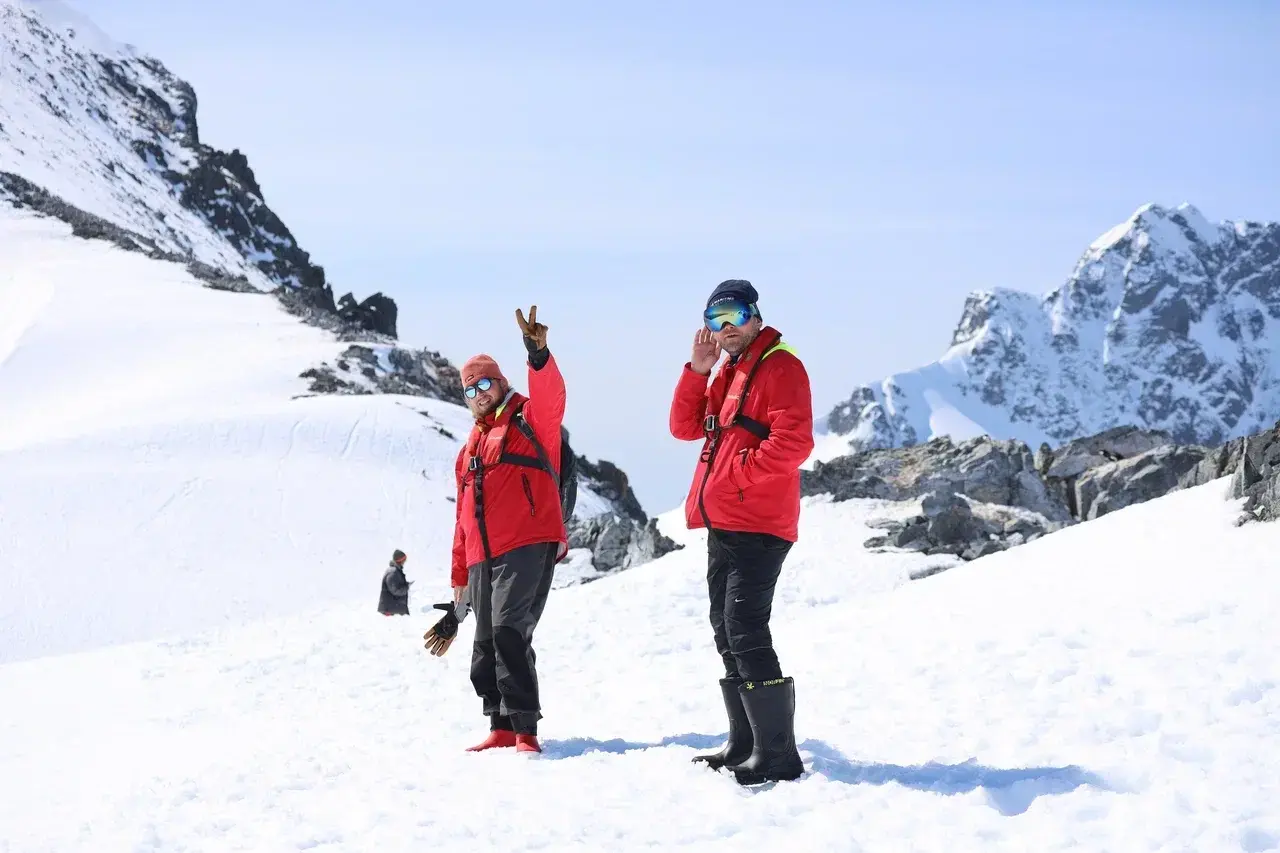
King George Island is one of Antarctica's most important scientific hubs. Several countries operate research stations here, including the Russian Bellingshausen Station, one of the most fascinating places on the White Continent.
For most visitors, simply setting foot on a working Antarctic research station is already a special experience. During our sailing expeditions, weather and operational conditions sometimes allow us to visit Bellingshausen Station and meet the people who live and work here at the end of the world.
But MoreTime Expeditions offers something even more unique.
Through our Antarctic Camp, guests can spend an entire week living alongside real polar explorers near Bellingshausen Station. Instead of just visiting Antarctica for a few hours, you'll wake up every day surrounded by glaciers and mountains, explore the Antarctic Peninsula with experienced guides, observe wildlife, and experience life the way researchers and polar workers do.
You'll live in a real polar camp, far from cruise ships and crowds of tourists. There are no cities, no roads, and no distractions—just you and one of the most extraordinary environments on Earth.
Very few people ever get the opportunity to truly live in Antarctica. The Antarctic Camp makes that dream possible.
14. The Antarctic Circle
Crossing the Antarctic Circle remains one of the great milestones of polar exploration.
Only a small percentage of Antarctic visitors travel this far south, where ice conditions become more challenging and the landscapes even more remote and pristine.
15. Elephant Island
Made famous by Sir Ernest Shackleton's legendary expedition, Elephant Island is one of Antarctica's most historically significant locations.
Its rugged mountains, glaciers, and dramatic coastline remind visitors of the incredible stories of survival that shaped the history of Antarctic exploration.
The Best Way to Experience Antarctica's Attractions
Many travelers visit Antarctica aboard large cruise ships, but small sailing expeditions offer a very different experience.
Traditional schooners and expedition yachts can enter narrow channels, anchor in remote bays, and adapt their itineraries according to weather and wildlife. If whales appear, you can stay longer. If a hidden bay deserves more time, you don't have to rush away.
Small groups also create a much more personal atmosphere, turning the journey into a true expedition rather than simply a sightseeing tour.
Discover Antarctica with MoreTime Expeditions
At MoreTime Expeditions, we believe Antarctica should be explored slowly and with a sense of adventure.
Whether you want to conquer the legendary Drake Passage, photograph giant icebergs in the Antarctic Sound, visit Bellingshausen Station, spend a week at our unique Antarctic Camp, or simply experience the magic of the White Continent under sail, we'll help you discover Antarctica's most extraordinary places.
Because Antarctica isn't defined by just one attraction.
It's an entire world waiting to be explored.