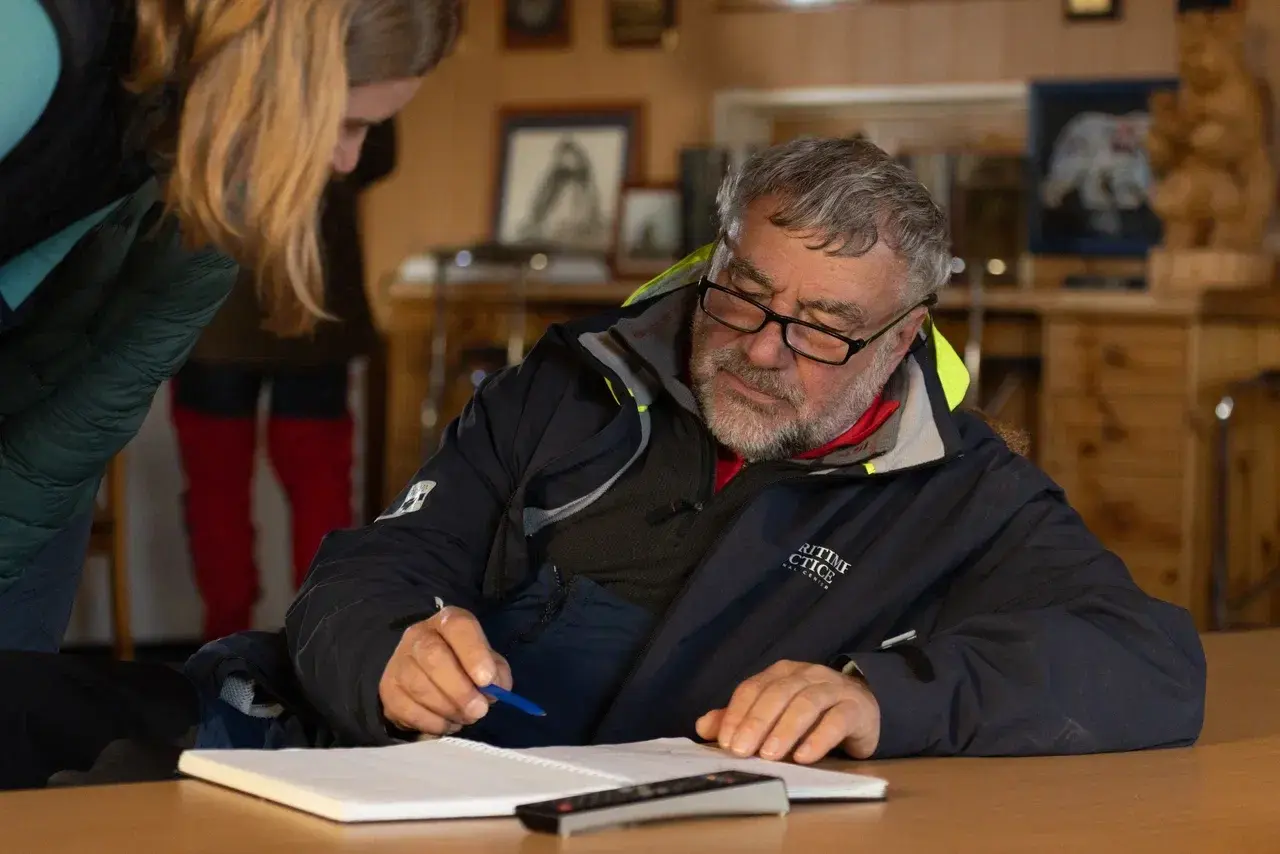
Real Science on a Tourist Expedition: How MoreTime Guests Contribute to Antarctic Research
Most people think of Antarctica as a destination for wildlife, glaciers, and unforgettable landscapes. While that's certainly true, the White Continent is also one of the world's most important natural laboratories.
Scientists from dozens of countries live and work here year-round, studying climate change, glaciers, marine ecosystems, weather, geology, and wildlife. Their research helps us better understand not only Antarctica but the future of our entire planet.
At MoreTime Expeditions, we believe that visiting Antarctica can be more than simply observing it. Through our unique Antarctic Science Camp at Bellingshausen Station, guests have the opportunity to engage with the scientific world of Antarctica and discover how modern polar research is carried out.
Antarctica: A Living Scientific Laboratory
Unlike most places on Earth, Antarctica has no permanent civilian population.
Instead, thousands of scientists rotate through research stations every year, collecting data that contributes to global climate models, oceanography, biology, astronomy, glaciology, and environmental science.
Because Antarctica remains one of the least disturbed ecosystems on Earth, even small observations can provide valuable scientific information.
Every expedition contributes to a greater understanding of how our planet is changing.
Bellingshausen Station: More Than a Research Base
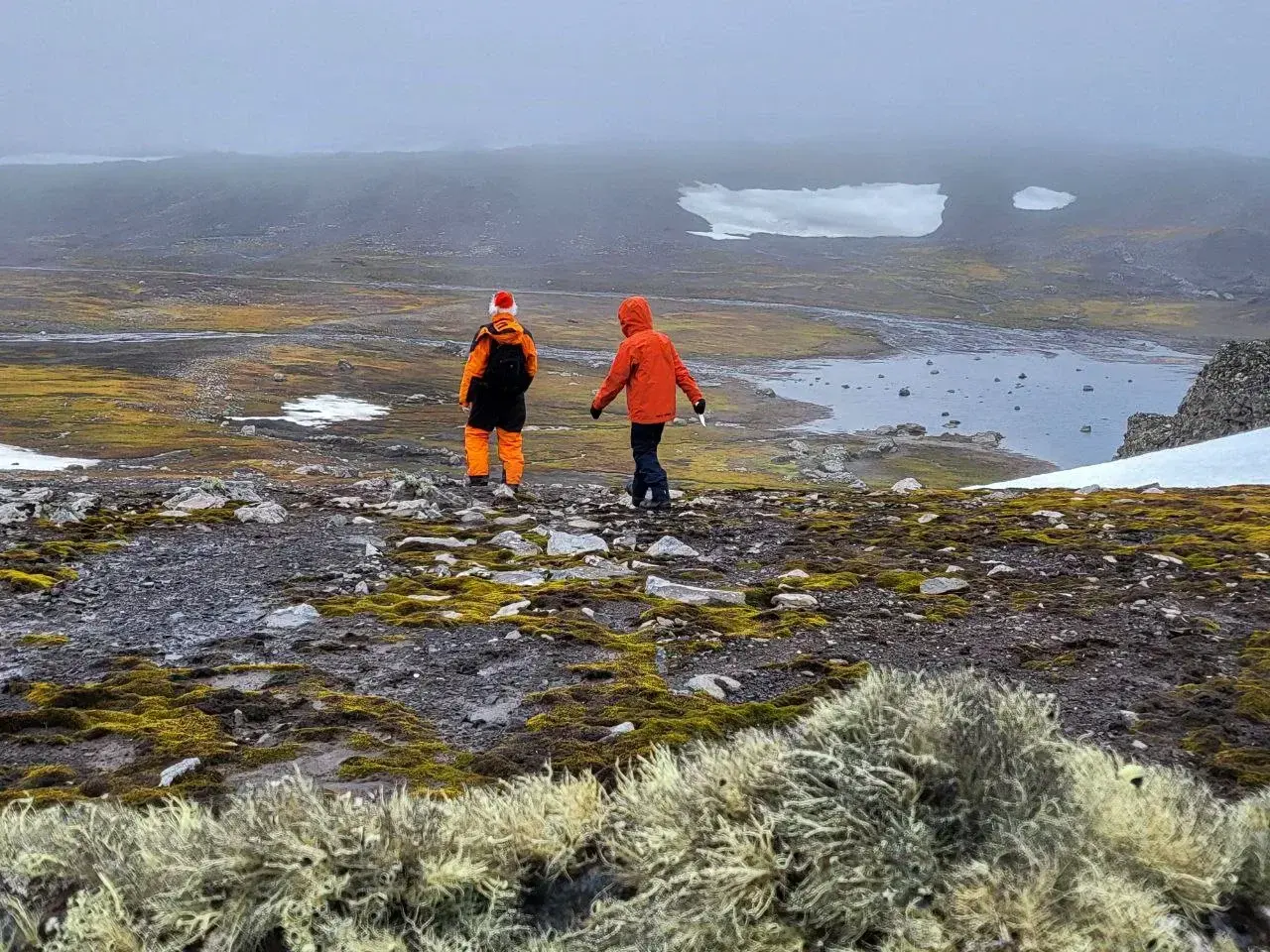
Located on King George Island, Bellingshausen Station has supported Antarctic research for decades.
Researchers living here monitor weather, study local ecosystems, collect environmental data, and support international scientific cooperation.
For most travelers, research stations are places viewed briefly from the deck of a ship.
MoreTime Expeditions offers something completely different.
Our guests have the unique opportunity to spend an entire week near Bellingshausen Station through the Antarctic Science Camp, experiencing daily life alongside the people who live and work in Antarctica.
Rather than simply taking photographs, participants begin to understand how scientific expeditions operate and why Antarctica plays such an important role in global research.
Meet Real Polar Scientists
One of the highlights of the Antarctic Science Camp is the opportunity to interact with experienced researchers and station personnel.
Throughout the program, guests can learn directly from the people who spend months living on the White Continent.
Topics may include:
- Antarctic climate research
- Wildlife monitoring
- Marine ecosystems
- Glacier dynamics
- Navigation and polar exploration
- Daily life at an Antarctic research station
- Environmental protection in Antarctica
These conversations transform the expedition from sightseeing into a genuine educational experience.
Citizen Science in Antarctica
Modern expeditions increasingly encourage visitors to become active participants rather than passive observers.
This approach, often called citizen science, helps travelers better understand the environments they visit while supporting broader scientific awareness.
During the Antarctic Science Camp, guests learn how researchers collect observations, document wildlife, monitor environmental conditions, and record changes in the polar landscape.
Rather than simply admiring Antarctica's beauty, participants gain insight into the methods scientists use to study one of Earth's most fragile ecosystems.
It's a chance to see Antarctica through the eyes of the researchers who dedicate their lives to understanding it.
Learn Skills Used by Polar Explorers
Science isn't limited to laboratories.
Throughout the camp, guests may also take part in educational sessions covering practical expedition skills that have been used by generations of sailors and polar explorers.
Depending on the program, activities may include:
- Traditional celestial navigation using a sextant.
- Polar route planning.
- Weather observation.
- Reading sea ice conditions.
- Polar survival techniques.
- Expedition logistics.
These hands-on experiences provide a deeper appreciation of what it takes to work and travel in Antarctica.
Observe Wildlife Like a Researcher
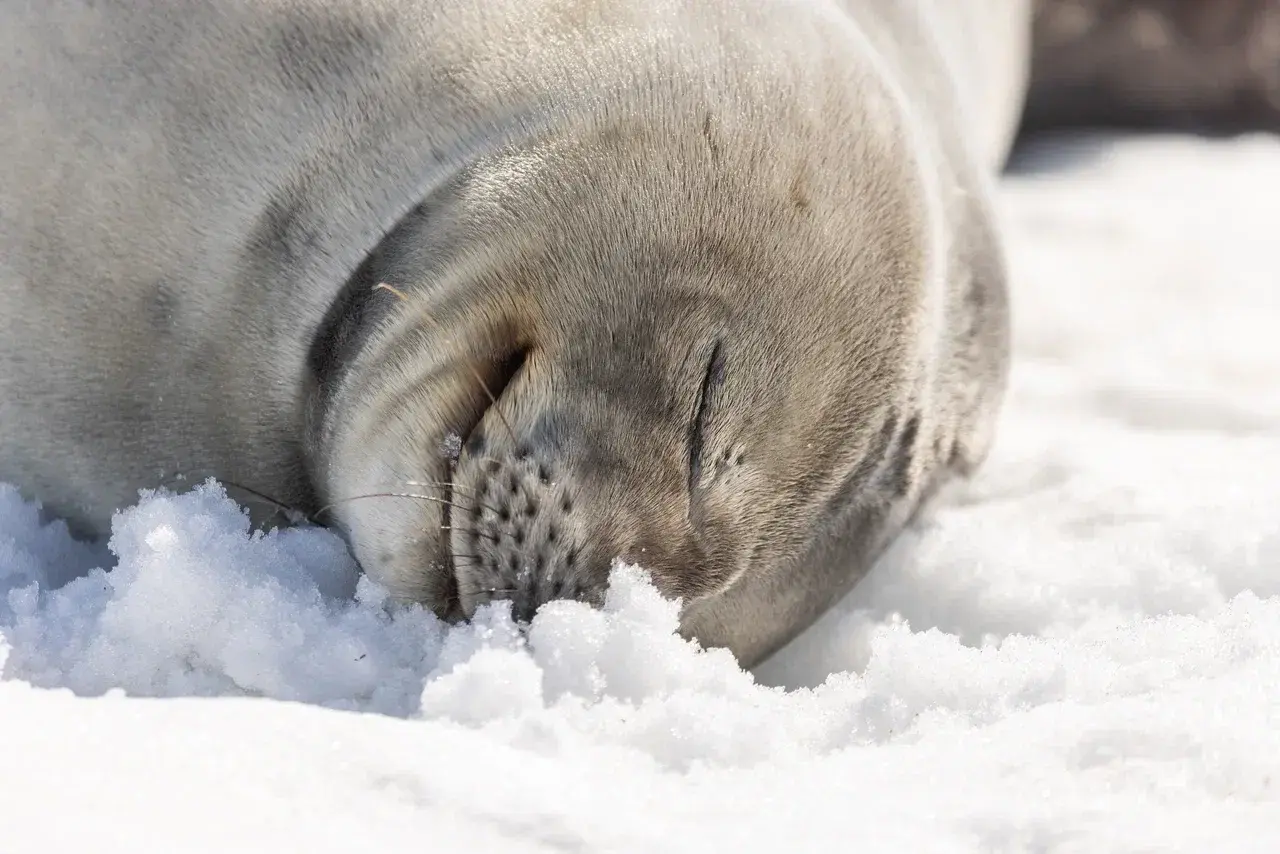
Watching penguins or whales becomes even more fascinating when you understand their behavior.
Instead of simply photographing wildlife, guests learn about breeding cycles, feeding behavior, migration patterns, and the challenges Antarctic animals face in a changing environment.
Throughout the expedition, encounters may include:
- Gentoo penguins
- Chinstrap penguins
- Adélie penguins
- Humpback whales
- Minke whales
- Weddell seals
- Leopard seals
- Antarctic seabirds
Understanding the science behind these species makes every encounter more meaningful.
Science Beyond the Camp
Scientific discovery doesn't stop when leaving Bellingshausen Station.
During MoreTime Expeditions' sailing voyages, guests may also have the opportunity to visit other research stations when weather, logistics, and station operations allow.
These visits offer a glimpse into the international cooperation that defines Antarctic science.
Researchers from different countries work together in one of the most remote environments on Earth, united by a common goal: understanding our planet.
Every station tells a different story.
Why This Experience Is Different
Most Antarctic trips focus on scenery.
Some focus on wildlife.
The Antarctic Science Camp adds another dimension entirely.
Guests don't simply visit Antarctica.
They learn how Antarctica is studied.
They discover why polar research matters.
They meet the people behind the science.
They begin to understand that every glacier, every penguin colony, and every weather observation contributes to a much larger picture of Earth's changing environment.
It's an experience that continues long after the expedition ends.
Join MoreTime Expeditions and Experience Antarctica Differently
At MoreTime Expeditions, we believe Antarctica should inspire curiosity as much as adventure.
Our Antarctic Science Camp at Bellingshausen Station offers an experience unlike any traditional expedition, allowing guests to spend time alongside real polar researchers while learning about the science that helps protect one of the world's last great wildernesses.
Whether you choose to join the Science Camp, sail aboard one of our expedition yachts, or combine both experiences, you'll discover that Antarctica is far more than a destination.
It's a place where exploration and science come together—and where every visitor leaves with a deeper understanding of the planet we all share.