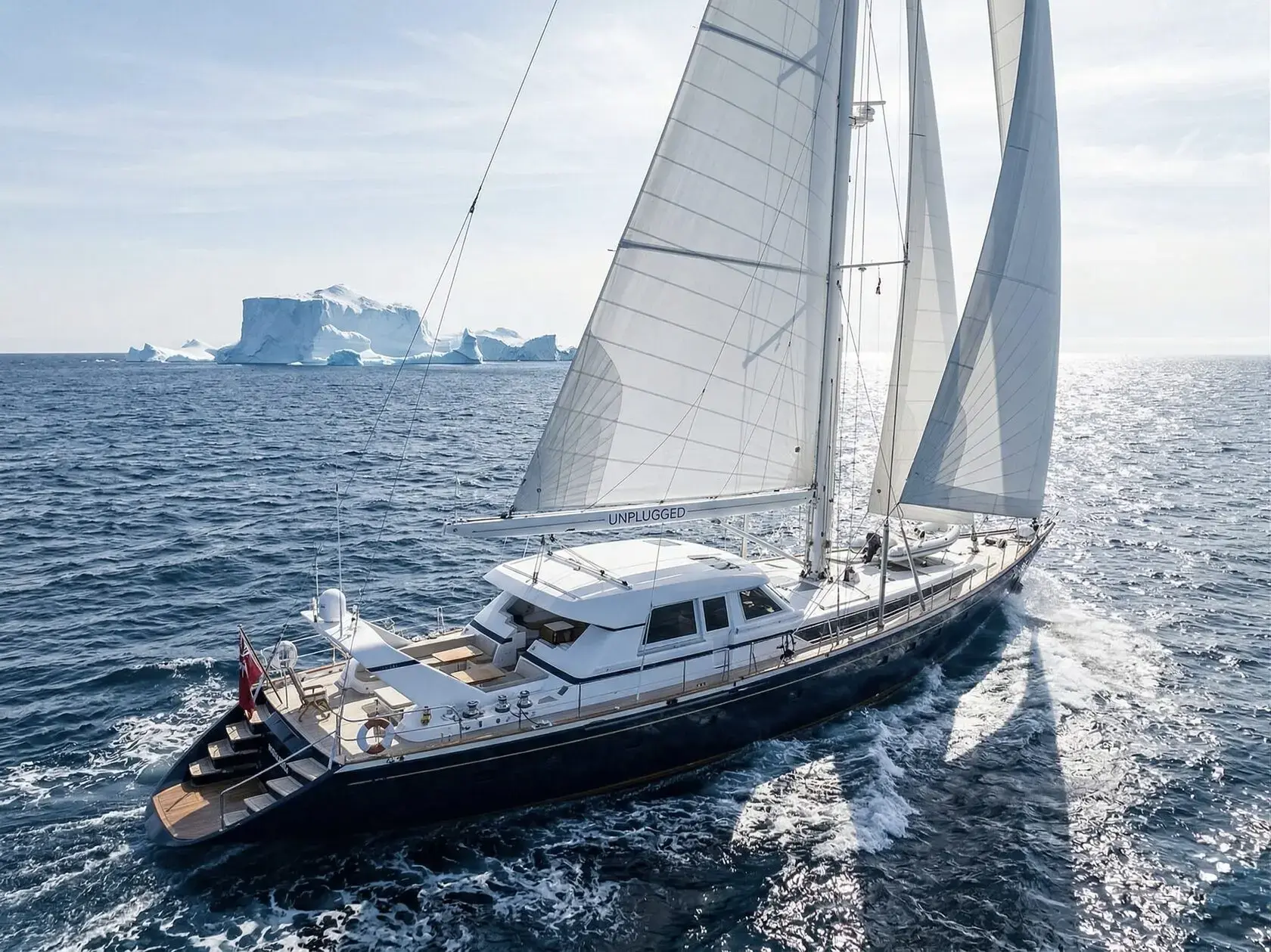
Crossing the Drake Passage: Why Some Travelers Choose Expedition Cruises — and Others Sail to Antarctica on Tall Yachts
Every Antarctica journey begins with the same question: how do you cross the Drake Passage?
For decades, the answer was simple — aboard an expedition cruise ship departing from Ushuaia, Argentina. But a growing number of polar travelers are now choosing a different route south: smaller expedition yachts and tall sailing vessels that transform the crossing itself into part of the adventure.
Companies like MoreTime Expeditions, which specializes in polar expeditions and yacht-style Antarctic travel, are part of this shift toward smaller, more immersive experiences in the Southern Ocean.
The difference between crossing the Drake Passage on a cruise ship versus a tall yacht is far more significant than simply vessel size. It changes the rhythm of the expedition, the connection to the ocean, the landing experience in Antarctica, and even how travelers psychologically experience the White Continent.
For some, Antarctica is a destination. For others, the voyage south is equally important.
For decades, the answer was simple — aboard an expedition cruise ship departing from Ushuaia, Argentina. But a growing number of polar travelers are now choosing a different route south: smaller expedition yachts and tall sailing vessels that transform the crossing itself into part of the adventure.
Companies like MoreTime Expeditions, which specializes in polar expeditions and yacht-style Antarctic travel, are part of this shift toward smaller, more immersive experiences in the Southern Ocean.
The difference between crossing the Drake Passage on a cruise ship versus a tall yacht is far more significant than simply vessel size. It changes the rhythm of the expedition, the connection to the ocean, the landing experience in Antarctica, and even how travelers psychologically experience the White Continent.
For some, Antarctica is a destination. For others, the voyage south is equally important.
The Drake Passage: Antarctica’s Legendary Gateway
Stretching roughly 800 kilometers between Cape Horn and the Antarctic Peninsula, the Drake Passage has long carried a reputation as one of the roughest stretches of ocean on Earth.
Here, the Atlantic, Pacific, and Southern Oceans collide without major landmasses to interrupt the currents. Winds can exceed 100 km/h, while waves regularly reach heights of 10 meters or more during storms.
Among expedition travelers, the crossing has its own vocabulary:
The crossing usually takes around two days each way, though weather conditions and vessel type can significantly affect the experience.
And that experience differs dramatically between a modern expedition cruise ship and a tall yacht.
Here, the Atlantic, Pacific, and Southern Oceans collide without major landmasses to interrupt the currents. Winds can exceed 100 km/h, while waves regularly reach heights of 10 meters or more during storms.
Among expedition travelers, the crossing has its own vocabulary:
- “Drake Lake” refers to unusually calm seas
- “Drake Shake” describes the violent rolling conditions the passage is famous for
The crossing usually takes around two days each way, though weather conditions and vessel type can significantly affect the experience.
And that experience differs dramatically between a modern expedition cruise ship and a tall yacht.
Expedition Cruises: Comfort in the Southern Ocean
Modern Antarctica expedition ships are designed to make one of the world’s most remote journeys relatively accessible.
Many vessels now resemble floating boutique hotels more than traditional exploration ships. Passengers can expect private cabins, stabilizers, fine dining, lecture theaters, spas, gyms, and medical facilities.
For travelers concerned about seasickness, large ships offer an undeniable advantage.
“The larger the vessel, the less aggressively it reacts to wave motion,” explain many polar operators. Stabilization systems on modern expedition ships significantly reduce rolling during rough crossings.
For first-time Antarctica travelers, this matters.
The Drake Passage is not theoretical. Even in moderate weather, movement can become exhausting. During severe conditions, passengers on smaller vessels may find it difficult to walk comfortably, sleep normally, or even remain in dining areas.
Cruise ships soften this reality.
But comfort comes with tradeoffs.
Many vessels now resemble floating boutique hotels more than traditional exploration ships. Passengers can expect private cabins, stabilizers, fine dining, lecture theaters, spas, gyms, and medical facilities.
For travelers concerned about seasickness, large ships offer an undeniable advantage.
“The larger the vessel, the less aggressively it reacts to wave motion,” explain many polar operators. Stabilization systems on modern expedition ships significantly reduce rolling during rough crossings.
For first-time Antarctica travelers, this matters.
The Drake Passage is not theoretical. Even in moderate weather, movement can become exhausting. During severe conditions, passengers on smaller vessels may find it difficult to walk comfortably, sleep normally, or even remain in dining areas.
Cruise ships soften this reality.
But comfort comes with tradeoffs.
The Problem With Size
Larger ships fundamentally change the Antarctica experience.
Many expedition vessels now carry between 150 and 500 passengers. Even with carefully managed operations, the logistics of moving hundreds of people ashore create structure, waiting times, and crowding.
Landings become scheduled rotations.
Wildlife encounters can feel less intimate.
Observation decks may offer excellent panoramic views, but they also create distance — both physically and emotionally — from the environment itself.
This is where tall yachts enter the conversation.
Many expedition vessels now carry between 150 and 500 passengers. Even with carefully managed operations, the logistics of moving hundreds of people ashore create structure, waiting times, and crowding.
Landings become scheduled rotations.
Wildlife encounters can feel less intimate.
Observation decks may offer excellent panoramic views, but they also create distance — both physically and emotionally — from the environment itself.
This is where tall yachts enter the conversation.
Tall Yachts: Antarctica as an Expedition
Crossing the Drake Passage aboard a tall yacht is a completely different philosophy of travel.
The vessels are smaller. The cabins are tighter. The sea feels closer.
And for many travelers, that is precisely the point.
Instead of separating passengers from the Southern Ocean, yacht expeditions immerse them in it.
Waves are felt directly. Wind becomes part of the atmosphere onboard. Wildlife encounters happen closer to the waterline. Travelers often form tight-knit relationships with crew members and fellow passengers simply because of the intimacy of life at sea.
Some expeditions even allow guests to participate in sailing operations.
“It feels less like tourism and more like joining an expedition,” is how many returning polar travelers describe the experience.
The contrast becomes particularly noticeable in Antarctica itself.
The vessels are smaller. The cabins are tighter. The sea feels closer.
And for many travelers, that is precisely the point.
Instead of separating passengers from the Southern Ocean, yacht expeditions immerse them in it.
Waves are felt directly. Wind becomes part of the atmosphere onboard. Wildlife encounters happen closer to the waterline. Travelers often form tight-knit relationships with crew members and fellow passengers simply because of the intimacy of life at sea.
Some expeditions even allow guests to participate in sailing operations.
“It feels less like tourism and more like joining an expedition,” is how many returning polar travelers describe the experience.
The contrast becomes particularly noticeable in Antarctica itself.
Smaller Vessels, Faster Landings
One of the biggest operational advantages of yachts and small expedition vessels is flexibility.
In Antarctica, the weather changes constantly. Wind, ice, and swell conditions can close landing sites within hours. Smaller vessels can often adapt more quickly than larger cruise operations.
With fewer passengers onboard:
On some yacht expeditions, travelers can move from breakfast to shore landing in minutes.
This agility becomes particularly valuable along the Antarctic Peninsula, where conditions rarely remain stable for long.
In Antarctica, the weather changes constantly. Wind, ice, and swell conditions can close landing sites within hours. Smaller vessels can often adapt more quickly than larger cruise operations.
With fewer passengers onboard:
- Zodiac operations move faster
- Shore landings become more spontaneous
- Travelers spend less time waiting
- Wildlife encounters feel less crowded
On some yacht expeditions, travelers can move from breakfast to shore landing in minutes.
This agility becomes particularly valuable along the Antarctic Peninsula, where conditions rarely remain stable for long.
The Reality of Sailing the Drake Passage
Still, romanticizing yacht travel without acknowledging the physical reality would be misleading.
Small vessels feel the Drake Passage intensely.
During rough weather:
This is not luxury cruising.
For some passengers, however, the rawness becomes the defining memory of the journey.
Crossing the Drake under sail connects travelers to the same ocean conditions faced by historic Antarctic explorers over a century ago.
That psychological connection — feeling the scale, unpredictability, and power of the Southern Ocean — is something large cruise ships inevitably reduce.
Small vessels feel the Drake Passage intensely.
During rough weather:
- Cabins may creak continuously
- Sleeping becomes difficult
- Walking requires balance and caution
- Seasickness can affect even experienced travelers
This is not luxury cruising.
For some passengers, however, the rawness becomes the defining memory of the journey.
Crossing the Drake under sail connects travelers to the same ocean conditions faced by historic Antarctic explorers over a century ago.
That psychological connection — feeling the scale, unpredictability, and power of the Southern Ocean — is something large cruise ships inevitably reduce.
Who Chooses Cruise Ships — and Who Chooses Yachts?
The divide is increasingly philosophical.
Cruise Travelers Often Prioritize:
- Comfort
- Stability
- Private accommodations
- Predictable schedules
- Educational programming
- Lower physical demands
These expeditions appeal strongly to luxury travelers, retirees, photographers requiring workspace stability, and first-time visitors to Antarctica.
Yacht Travelers Usually Seek:
- Expedition atmosphere
- Adventure
- Smaller groups
- Closer connection to nature
- Sailing culture
- Authenticity over comfort
Many are experienced travelers who have already done traditional cruises elsewhere and want Antarctica to feel less commercialized.
Some specifically choose yachts because they believe Antarctica should still feel difficult to reach.
The Rise of Smaller Antarctic Expeditions
In recent years, demand for small-group polar travel has grown significantly.
Travelers increasingly look for:
This trend has helped fuel interest in yacht operators and smaller expedition companies like MoreTime Expeditions, which focus on creating a more personal connection between travelers and the polar environment.
For many modern Antarctica travelers, the destination alone is no longer enough. The style of travel itself has become part of the experience they are seeking.
Travelers increasingly look for:
- More intimate expeditions
- Less crowded landings
- Sustainability-focused operations
- Adventure-driven itineraries
This trend has helped fuel interest in yacht operators and smaller expedition companies like MoreTime Expeditions, which focus on creating a more personal connection between travelers and the polar environment.
For many modern Antarctica travelers, the destination alone is no longer enough. The style of travel itself has become part of the experience they are seeking.
So, Which Is Better?
There is no universal answer.
Cruise ships make Antarctica more accessible, more stable, and more comfortable. For many travelers, that accessibility is essential.
Tall yachts offer something different: unpredictability, immersion, and a sense of participation in the journey itself.
One prioritizes comfort in extreme environments.
The other embraces the environment fully.
And perhaps that is the real divide in Antarctic travel today — not simply ship versus yacht, but observer versus participant.
Either way, every Antarctica traveler eventually reaches the same place: standing at the edge of the White Continent, looking back toward the Drake Passage they crossed to get there.
Cruise ships make Antarctica more accessible, more stable, and more comfortable. For many travelers, that accessibility is essential.
Tall yachts offer something different: unpredictability, immersion, and a sense of participation in the journey itself.
One prioritizes comfort in extreme environments.
The other embraces the environment fully.
And perhaps that is the real divide in Antarctic travel today — not simply ship versus yacht, but observer versus participant.
Either way, every Antarctica traveler eventually reaches the same place: standing at the edge of the White Continent, looking back toward the Drake Passage they crossed to get there.